India Stories

To look at India is to see a microcosm of humanity. It is a nation built not on uniformity, but on a grand consensus of differences, where unity is discovered in the shared experience of living together. In this section, we explore the demographics, communities, and philosophies that define the modern Indian identity.
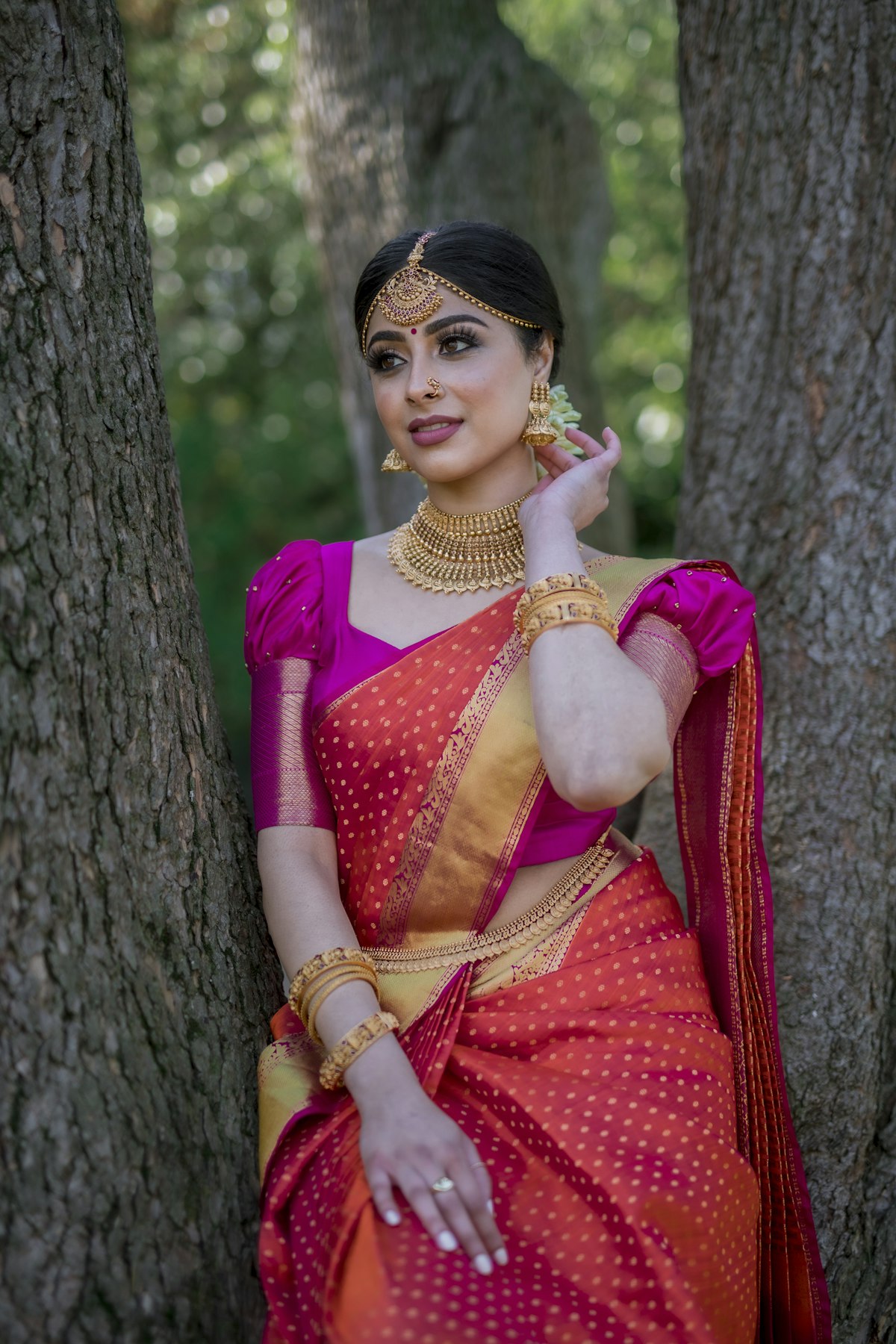
India is home to over 1.4 billion people, representing thousands of ethnic groups, hundreds of languages, and a multitude of belief systems. This incredible demographic diversity makes India one of the most culturally complex societies in the world. Rather than melting into a single identity, these differences are celebrated, forming a mosaic where each piece retains its unique shape and color while contributing to the beauty of the whole. Traveling through the country, one witnesses a shift in language, cuisine, and local dress every few hundred kilometers, creating a living laboratory of human pluralism.
In India, the individual is always understood in relation to the community. Family structures are strong, and extended families often live together or maintain close daily contact. Major life events—marriages, births, festivals—are collective celebrations that involve entire neighborhoods. This sense of belonging provides a strong emotional support system and fosters a culture of mutual help, sharing, and deep-seated empathy for others. The neighborhood network acts as an extended support system where children are raised collectively, and elders are cared for with dignity.
India is the birthplace of four major world religions: Hinduism, Buddhism, Jainism, and Sikhism. It is also home to one of the world's largest Muslim populations, as well as historic Christian, Zoroastrian, and Jewish communities. Spiritual life in India is visible and integrated into daily routines, from roadside shrines to grand cathedrals, mosques, temples, and gurudwaras. This coexistence has fostered a philosophy of tolerance and syncretism, where festivals and sacred spaces are often shared by people of different faiths. Festivals like Diwali, Eid, and Christmas are celebrated across communities with shared sweets and mutual visits.
India has one of the youngest populations in the world, with more than half of its citizens under the age of 25. This youth bulge is driving rapid changes in consumer behavior, technology adoption, and social norms. Indian youth are globally connected, entrepreneurial, and highly ambitious. They are reshaping the digital landscape, leading tech startups, and bringing new perspectives to traditional values, ensuring that India's future is dynamic and innovative. They utilize social chat and online platforms to communicate across regional divides, building a more integrated national network of peers.
The story of India extends far beyond its physical borders. The Indian diaspora, numbering over 30 million worldwide, has established vibrant communities in the Americas, Europe, Africa, the Middle East, and Southeast Asia. They act as cultural ambassadors, sharing Indian food, festivals, and music globally, while maintaining deep emotional and economic connections with their homeland, creating a global network of friendship and heritage. This diaspora represents the global footprint of Indian values, adapting to new cultures while keeping the warmth of their origin alive.
While India's cities are booming, the heart of its artistic heritage remains in its rural villages. Handloom weaving, clay pottery, block printing, and local metalwork are passed down through generations of artisan families. Art forms like Madhubani paintings from Bihar, Warli art from Maharashtra, and Pattachitra from Odisha are not just decoration; they are visual storytelling systems that capture local folk history, mythology, and a deep respect for the natural environment. Supporting these crafts is vital to keeping the authentic spirit of India's diverse regions alive.
Underpinning India's vast cultural diversity is a shared philosophical outlook summarized in the ancient Sanskrit phrase, 'Vasudhaiva Kutumbakam,' meaning 'The world is one family.' This worldview promotes global citizenship, environmental stewardship, and a deep tolerance for different paths of life. It teaches that despite external differences in language, faith, and customs, the human spirit is ultimately unified. This core belief has historically enabled India to integrate various waves of migration and ideas, fostering a civilization that values inclusive growth and universal friendship.
A massive, energetic population representing a wealth of human potential, ideas, and dreams.
A national philosophy that finds strength in regional, linguistic, and cultural differences.
A young and ambitious generation driving digital innovation, startups, and creative arts.
A diaspora that links India to the rest of the world, fostering cross-cultural understanding.
An educational video showcasing the distinct regional cultures, clothing, lifestyles, and festivals of various Indian states. (Source: Prasar Bharati Archives)
India is not only something to read about. It is something people feel through conversations, memories, languages, festivals, food, cities, and friendships. IndiaDostiChat is built for those conversations — where people can meet, talk, share, and feel connected.
Join IndiaDostiChatBefore India became a nation, it was already a civilization of ideas, trade, learning, and memory.