India Stories

India is a federal union comprising 28 states and 8 union territories. Each state represents a distinct administrative, geographical, and cultural unit, often organized around a primary language, housing its own unique traditional festivals, culinary practices, and regional pride.
Following independence, the states of India were gradually reorganized primarily on a linguistic basis through the States Reorganisation Act of 1956. This allowed regional populations to govern and preserve their local cultures, languages, and literature within a unified federal framework. Today, this structure balances regional autonomy with national unity, ensuring that local dialects and customs are protected and given resources for development, turning the country into a union of self-contained cultural worlds.
The northern region includes the agricultural giants of Punjab and Haryana, the vast state of Uttar Pradesh (the most populous state), Bihar, and the mountainous territories of Himachal Pradesh, Uttarakhand, and Jammu & Kashmir. This region is characterized by wheat cultivation, historic religious hubs like Varanasi and Haridwar, and a climate that swings from scorching summer heat to alpine winter snows, shaping a rugged and expressive local population.
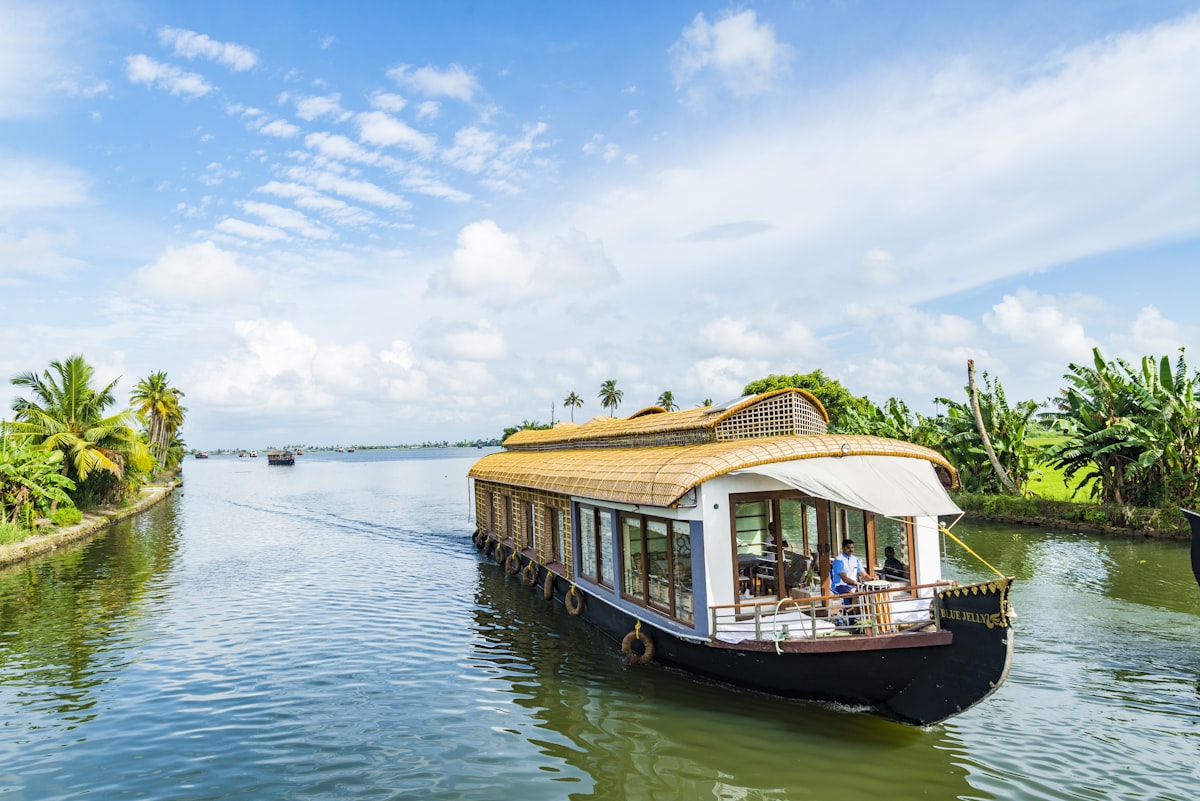
Southern India comprises Tamil Nadu, Karnataka, Kerala, Andhra Pradesh, and Telangana. Buffered by the Deccan Plateau and coastlines, these states have preserved ancient Dravidian languages and classical traditions. The region is known for its high literacy rates, software and technology parks, coconut and spice plantations, and grand temple architecture. Kerala's backwaters, Tamil Nadu's classical arts, and Karnataka's tech hubs represent the diverse strengths of this southern zone.
Western India features Maharashtra (the economic powerhouse) and Gujarat (a state of mercantile traditions and industrial centers), characterized by coastlines along the Arabian Sea and the desert plains of Kutch. Eastern India includes West Bengal, Odisha, Jharkhand, and Chhattisgarh, dominated by the fertile Gangetic delta and mineral-rich forest plateaus. This zone is a hub of classical arts, metal industries, and deep-seated intellectual and literary traditions.
Northeast India, connected to the rest of the country by a narrow strip of land, consists of the 'Seven Sister' states: Assam, Arunachal Pradesh, Manipur, Meghalaya, Mizoram, Nagaland, and Tripura, alongside Sikkim. This region is geographically distinct, featuring rolling hills, tea plantations, and heavy monsoon rains (Meghalaya hosts the wettest place on Earth). The local population is culturally diverse, with distinct tribal traditions, languages, and a deep, respect-based relationship with the environment.
Modern India's development is driven by cooperative federalism, where states collaborate on national policies while competing to attract businesses, tourists, and talent. Southern tech hubs compete with western industrial parks, and northern tourist trails learn from eastern cultural initiatives. This competition drives local governance reforms, improvements in healthcare and education, and the creation of infrastructure, showing how regional diversity can accelerate national development.
Because states have different languages and cultures, digital networks serve as vital cultural corridors. Young Indians use chat networks to meet peers from other states, exchanging notes on regional languages, local jokes, and travel tips. On IndiaDostiChat, users from different states chat, dissolving physical distances. This exchange builds mutual respect, helps break down regional stereotypes, and reinforces a shared identity, showing how a digital network can build national friendships.
Fertile farm belts, historical capitals, and Himalayan peaks rich in spiritual heritage.
High literacy, software industries, coconut plantations, and ancient classical temples.
Industrial giants and trade hubs along the Arabian Sea, driving national economy.
Tea plantations, bamboo forests, and rich indigenous cultures in rolling green hills.
Explore the stories, history, and cultural roots of North India in India.
Explore the stories, history, and cultural roots of South India in India.
Explore the stories, history, and cultural roots of East India in India.
Explore the stories, history, and cultural roots of West India in India.
Explore the stories, history, and cultural roots of Northeast India in India.
Explore the stories, history, and cultural roots of Union Territories in India.
An educational video mapping the 28 states and union territories of India, highlighting how administrative divisions align with language and local cultures. (Source: Sansad TV Federal Studies)
India is not only something to read about. It is something people feel through conversations, memories, languages, festivals, food, cities, and friendships. IndiaDostiChat is built for those conversations — where people can meet, talk, share, and feel connected.
Join IndiaDostiChatIndian cinema is not an escape from reality. It is a celebration of it.