India Stories

To understand India is to embrace a land of infinite layers, where the ancient and the digital sit side by side, and where every region offers a new way of seeing the world. This guide is an invitation to explore the deep cultural, geographical, and historical currents that shape the contemporary Indian identity.
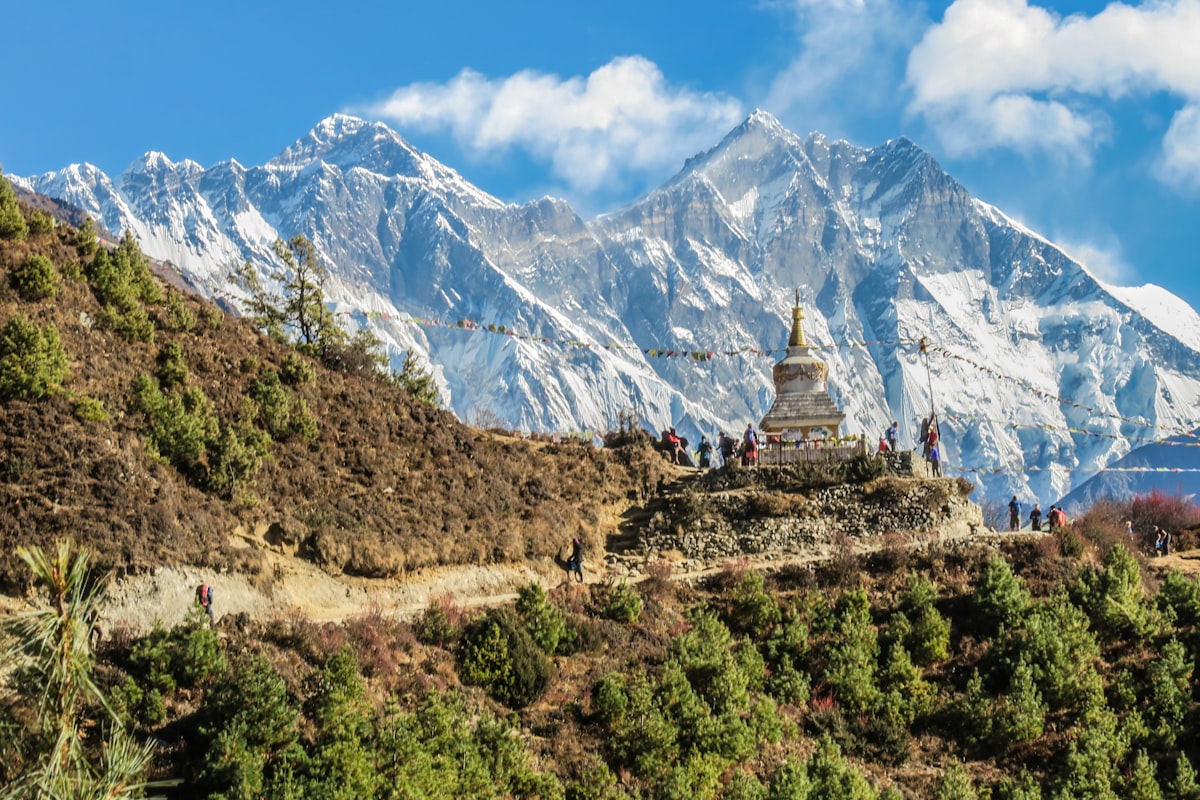
India, situated in South Asia, is the seventh-largest country by area and the most populous nation in the world. But numbers do not capture the essence of this land. From the snow-capped peaks of the Himalayas in the north to the tropical shores of the Indian Ocean in the south, India represents a vast subcontinent of climatic, geographical, and cultural variety. Navigating this landscape requires more than a map; it requires an openness to experience a world where customs, attire, and dialects change every few hundred kilometers. Every state in India has its own unique heritage, yet there is a subtle, unifying thread of shared destiny that binds this vast population together.
The geography of India is divided into distinct zones: the northern mountain ranges, the fertile Indo-Gangetic plains, the arid Thar Desert in the west, and the massive Deccan Plateau that dominates the peninsula. This diversity creates microclimates ranging from alpine cold to tropical wetness, shaping the lifestyles, crops, and characters of the people who inhabit them. The sacred rivers, such as the Ganges, Brahmaputra, and Godavari, are not just waterways; they are deep cultural symbols of life, cleansing, and continuity. The coastlines stretching along the Arabian Sea and the Bay of Bengal have historically connected India to global maritime trade routes, fostering ancient relationships with Rome, Africa, and East Asia.
Everyday life in India is a sensory experience. It is found in the early morning chants that echo through misty streets, the fragrance of roasted spices wafting from corner kitchens, the vibrant colors of sarees and kurtas moving through crowded bazaars, and the shared cups of steaming chai that bring strangers together. There is a collective warmth that characterizes Indian hospitality, encapsulated in the ancient Sanskrit phrase, 'Atithi Devo Bhava,' which translates to 'The guest is equivalent to God.' Even in the busiest metropolitan cities, people find time to check in on their neighbors, share home-cooked meals, and celebrate small moments of joy together in local neighborhoods.
In India's cities, glass-paneled corporate towers stand adjacent to centuries-old monuments, and street vendors accept digital payments with the ease of global bankers. This synthesis of the traditional and the modern defines the contemporary Indian identity. Younger generations maintain close ties to family and heritage while driving startup hubs, space technology, and social media trends, creating a culture that is both deeply rooted and dynamically forward-looking. A walk through a city like Bangalore or Mumbai reveals this duality, where ancient temples stand alongside modern high-tech research centers, representing a peaceful bridge between the past and the future.
For those seeking to understand or connect with India, the entry point is always conversation. Whether online or offline, Indians are naturally social, expressive, and eager to share stories about their homes, states, and traditions. Engaging with India means participating in an ongoing dialogue about food, cricket, cinema, and family, finding common ground in a shared human connection that spans across oceans. The digital age has accelerated this, allowing global communities to interact with the people of India instantly, sharing values of friendship, respect, and mutual discovery.
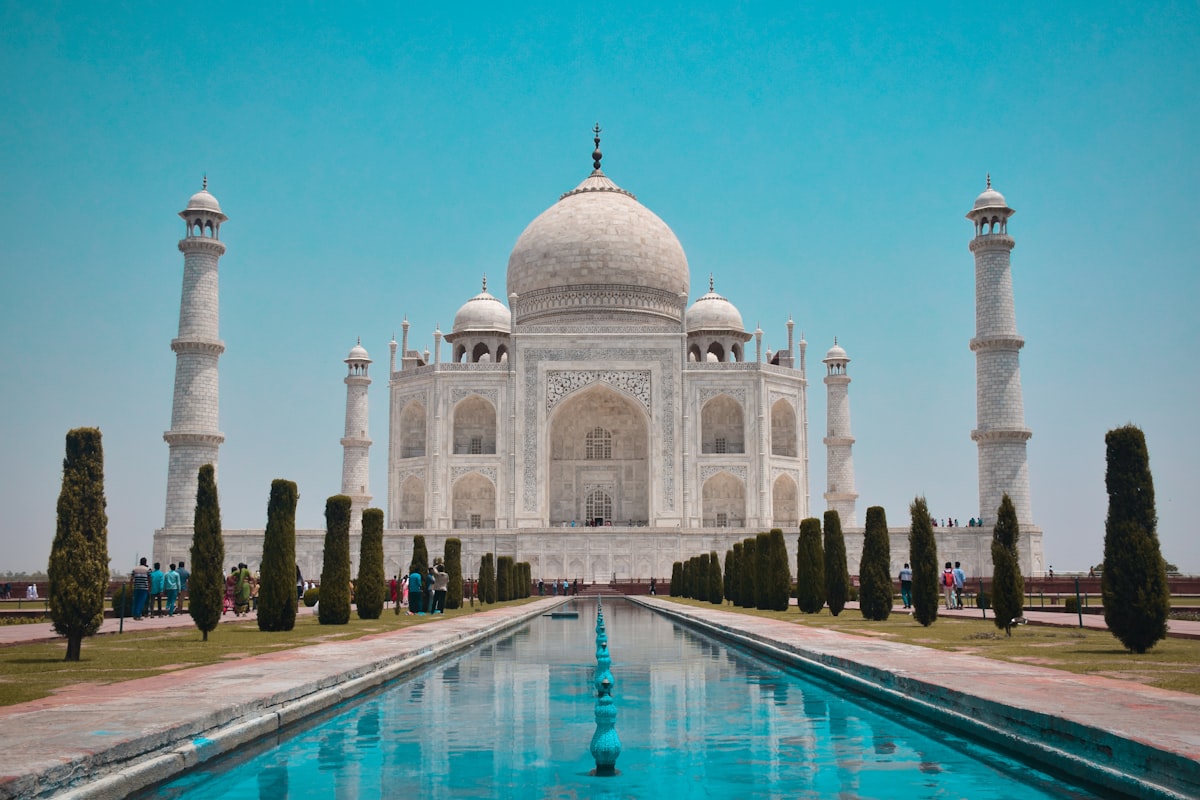
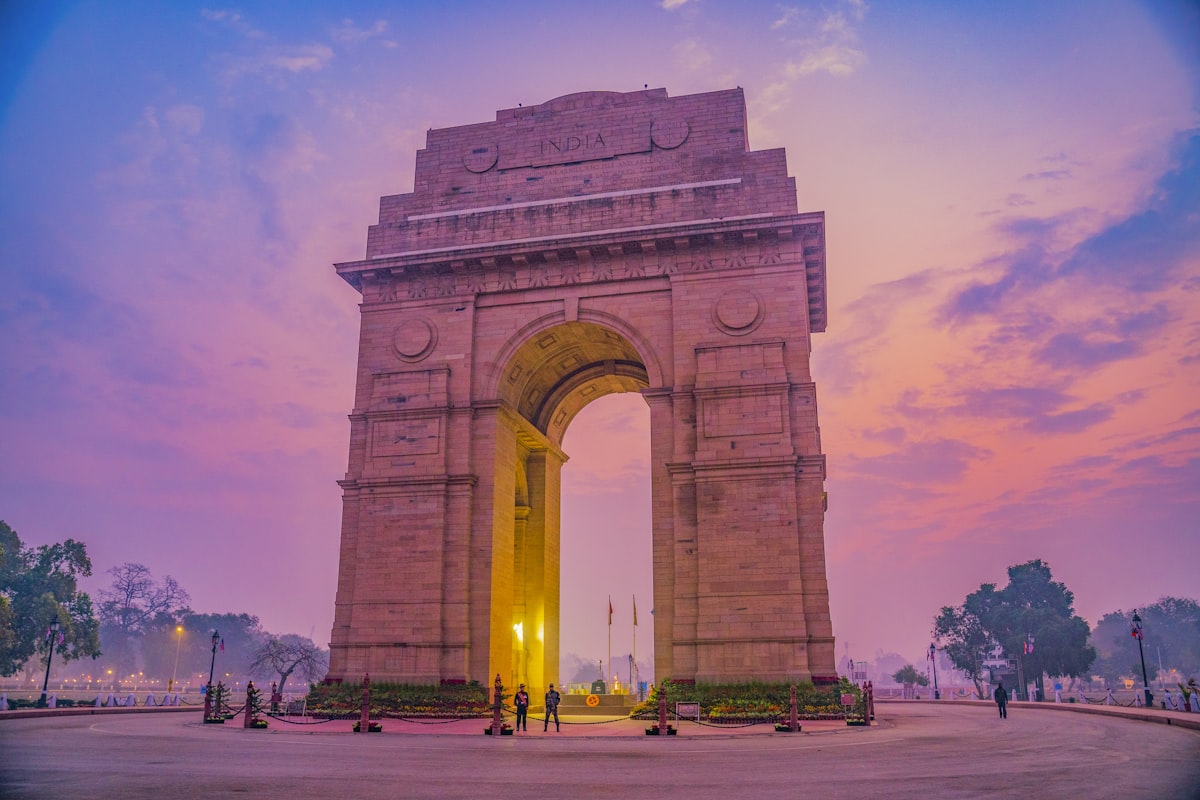
Across the length and breadth of India, architecture serves as a silent witness to history. The rock-cut caves of Ajanta and Ellora, the intricately carved stone temples of Khajuraho and Hampi, and the majestic red sandstone forts of Rajasthan tell stories of artistic genius and engineering skill. These structures were not merely functional; they were spiritual canvases that mapped cosmic orders and philosophical concepts. Even today, they remain centers of pilgrimage and cultural pride, drawing millions of visitors who seek to connect with the structural memories of a grand civilization.
India's intellectual history is shaped by its diverse schools of philosophy, both orthodox (astika) and heterodox (nastika). From the Upanishads and Vedanta to Buddhism and Jainism, Indian thought has consistently explored the nature of consciousness, reality, and ethics. Concepts like Dharma (righteous duty), Karma (action and consequence), and Ahimsa (non-violence) have guided individual lives and governance systems for thousands of years. This philosophical foundation emphasizes that all life is interconnected, promoting a worldview of universal peace and spiritual harmony.
Today, India boasts one of the youngest populations in the world, with over 50% of its citizens under the age of 25. This dynamic youth demographic is a driving force behind global tech innovations, creative arts, and entrepreneurship. Backed by cheap mobile internet and high digital literacy, young Indians are reshaping how information is consumed, products are built, and relationships are formed online. They bring a fresh global outlook while maintaining a strong pride in their local roots, creating a powerful demographic engine that is steering India's modern journey.
A realm of majestic mountains, spiritual sanctuaries, and quiet valleys where time slows down.
Coastal plains, tranquil backwaters, coconut groves, and grand temple architecture rich in tradition.
Sand dunes, royal fortresses, vibrant textiles, and the festive energy of desert folk music.
Fertile river delta, tea plantations, intellectual hubs, and a deep appreciation for the arts.
An official overview of India's geographical, historical, and cultural diversity, presented by the Ministry of Tourism. (Source: Ministry of Tourism, India)
India is not only something to read about. It is something people feel through conversations, memories, languages, festivals, food, cities, and friendships. IndiaDostiChat is built for those conversations — where people can meet, talk, share, and feel connected.
Join IndiaDostiChatIndia is not one identity. It is millions of lives moving together.