India Stories

India has historically been a global sanctuary for spiritual seekers, philosophers, and wellness practitioners. This section explores the ancient systems of Yoga, meditation practices like Vipassana, and the philosophical traditions that emphasize mental clarity, inner peace, and a respectful connection with all living beings.
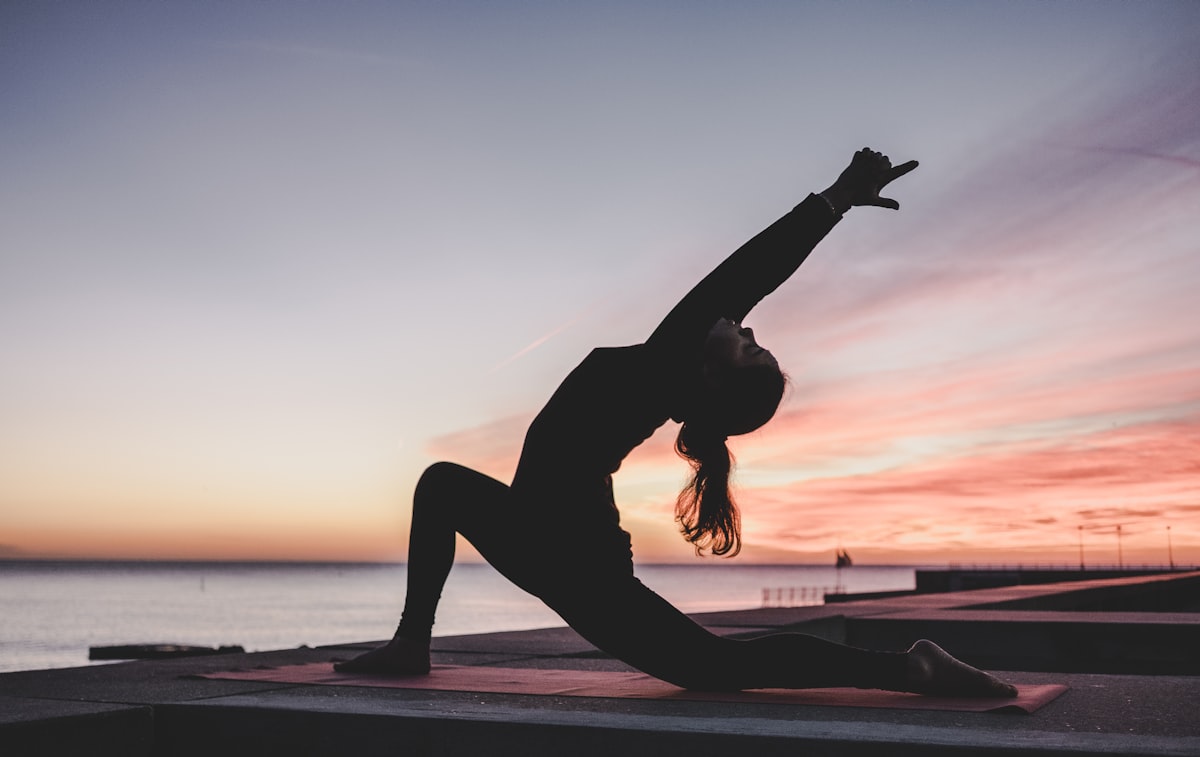
Yoga, derived from the Sanskrit word 'Yuj' meaning to unite, is a 5,000-year-old system of physical, mental, and spiritual practices that originated in India. First mentioned in the ancient Rigveda and later structured in the Upanishads, Yoga was codified by the sage Patanjali in his Yoga Sutras (circa 400 CE). Patanjali outlined the 'Eight Limbs of Yoga' (Ashtanga), which start with ethical codes (Yamas and Niyamas) and breath control (Pranayama) before moving to physical postures (Asanas) and ultimately leading to deep meditation and self-realization (Samadhi).
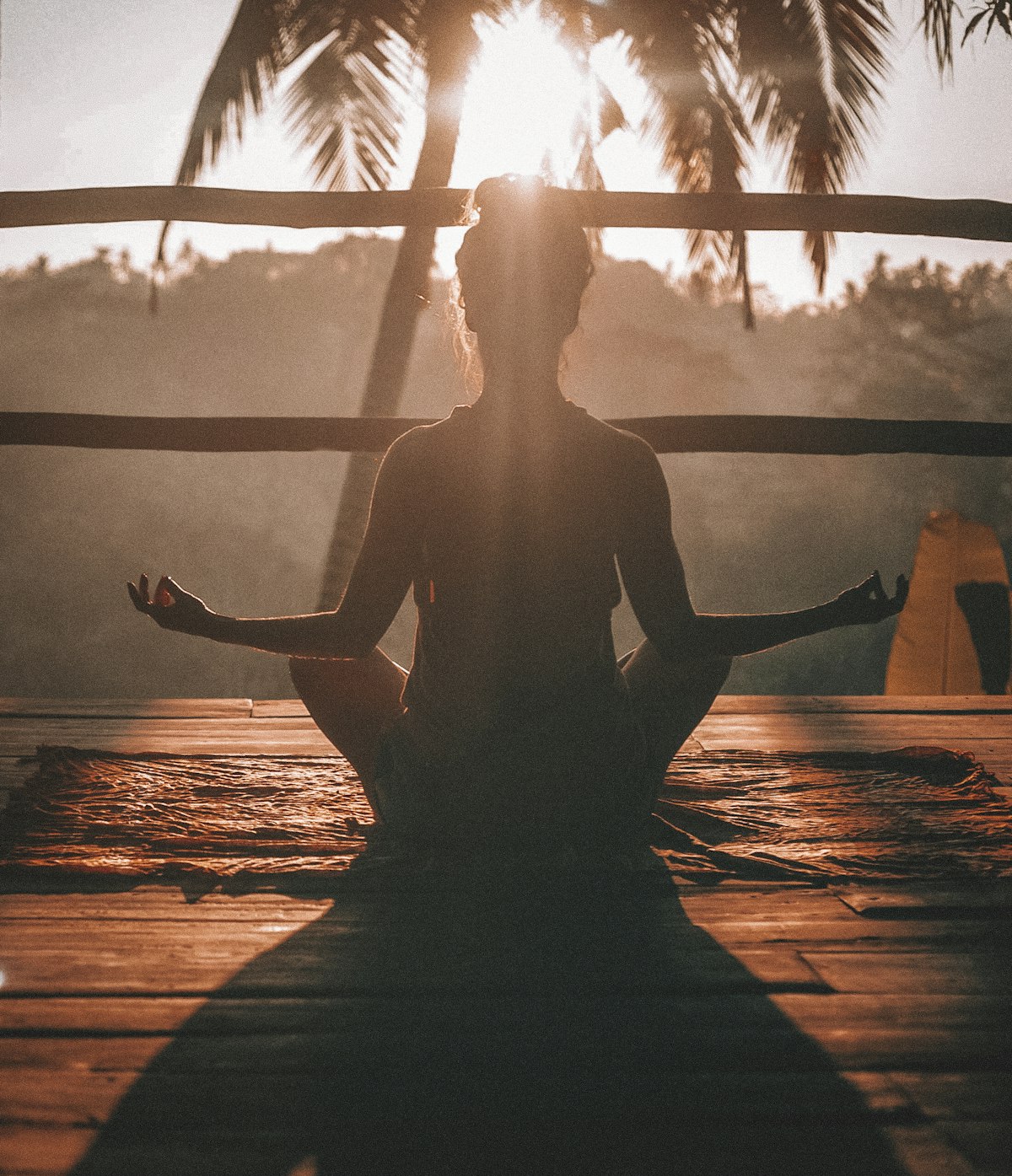
Meditation (Dhyana) in the Indian tradition is the practice of training the mind to focus, observe thoughts without judgment, and enter a state of deep silence. Practices like Vipassana (mindfulness of breath and sensations), popularized by Gautama Buddha, are taught in silent retreats across the country. By quieting the continuous flow of thoughts, meditation reduces stress, increases emotional resilience, and helps individuals connect with their inner consciousness, offering a practical mental health tool in a busy, digital world.
Spirituality in India is closely linked to Ayurveda, the ancient science of life and medicine. Ayurveda focuses on maintaining health by balancing the three physical energies (Doshas: Vata, Pitta, and Kapha) through customized diets, herbal remedies, massage, and daily yoga routines. Unlike modern reactive medicine, Ayurveda is preventive, teaching that true wellness is achieved when the body, mind, and environment are in perfect harmony, encouraging a lifestyle of clean eating, respect for nature, and mindful living.
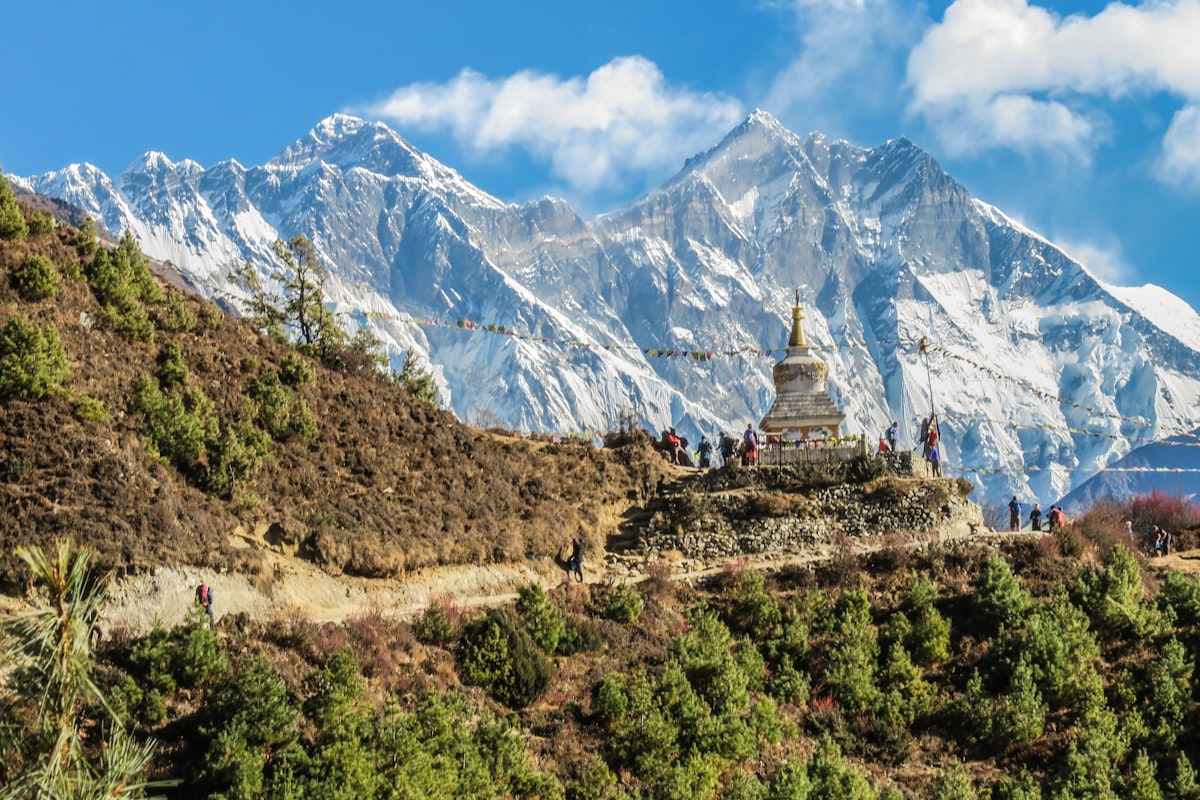
Specific regions in India have historically served as global capitals of spirituality. Rishikesh, situated in the Himalayan foothills along the fast-flowing Ganges, is lined with yoga ashrams where students from across the globe gather to study Sanskrit philosophy and hatha yoga. Varanasi, one of the oldest continuously inhabited cities in the world, represents the spiritual core of India. The daily morning prayers (Aarti) along its stone ghats represent a visual, sensory celebration of faith, water, and fire, celebrating the cycle of life.
Today, Yoga has transcended its geographical origin to become a global wellness movement. In 2014, the United Nations declared June 21 as the International Day of Yoga, recognizing its holistic benefits for the world's population. People across cultures practice yoga to improve physical flexibility, manage anxiety, and find quiet moments in their daily schedules. This global adoption shows that the ancient wisdom of India's sages remains a highly practical and universal gift for modern human wellbeing.
At its highest level, Indian spirituality teaches that all human beings share a single, divine spark of consciousness. This realization breaks down barriers of race, nationality, and creed, promoting a worldview of universal friendship (Maitri). By recognizing the common thread in everyone, spiritual practices encourage compassion, active listening, and support for others. This spirit of mutual respect and friendship is what connects people online, turning virtual platforms into welcoming hubs of cross-cultural discovery.
Patanjali's structured path starting with ethics and breath control, leading to self-realization.
Ancient mindfulness meditation observing physical sensations to quiet the overactive mind.
Preventive health systems using nutrition, herbs, and yoga to balance bodily energies.
Himalayan centers along the Ganges attracting global students to study yoga philosophy.
Explore the stories, history, and cultural roots of Yoga in India.
Explore the stories, history, and cultural roots of Meditation in India.
Explore the stories, history, and cultural roots of Temples in India.
Explore the stories, history, and cultural roots of Spiritual Traditions in India.
Explore the stories, history, and cultural roots of Wellness in India.
An official documentary detailing the origins of Yoga from Patanjali's Yoga Sutras, outlining the eight limbs of yoga beyond physical postures. (Source: Ministry of External Affairs, India)
India is not only something to read about. It is something people feel through conversations, memories, languages, festivals, food, cities, and friendships. IndiaDostiChat is built for those conversations — where people can meet, talk, share, and feel connected.
Join IndiaDostiChatModern India is not just a place on the map. It is an engine of future tech.