India Stories

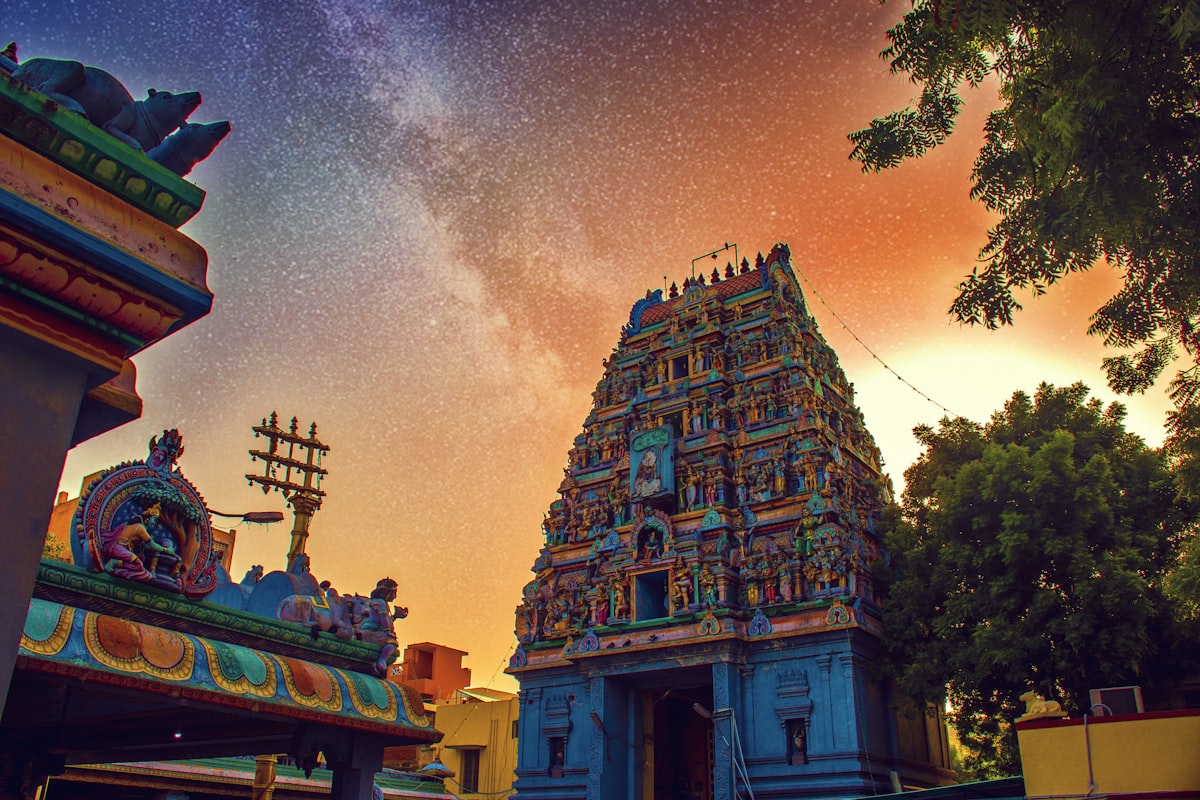
The culture of India is a complex weave of values, expressions, and relationships that have evolved over five thousand years. It is visible in the warmth of social gatherings, the respect shown to elders, the visual beauty of traditional arts, and the deep-seated spiritual beliefs that guide daily life.
At the core of Indian culture lies a deep emphasis on relationships and community. The joint family system, where multiple generations live under one roof, has historically provided economic security and emotional support. Even as urban migration encourages nuclear families, the emotional bond remains intact. Respect for elders is deeply integrated, demonstrated by the traditional practice of touching their feet to seek blessings (Charan Sparsh). This respect fosters a sense of security and continuity, passing down moral values, folk wisdom, and religious traditions to younger generations.
Indian classical dance is a spiritual canvas that translates mythology and philosophy into movement. The Sangeet Natak Akademi recognizes eight classical dance forms: Bharatanatyam (Tamil Nadu), Kathak (Northern India), Kathakali (Kerala), Kuchipudi (Andhra Pradesh), Odissi (Odisha), Manipuri (Manipur), Mohiniyattam (Kerala), and Sattriya (Assam). These dances combine intricate footwork, rhythmic gestures (mudras), and expressive facial acting (abhinaya) to tell stories of divine love, righteousness, and the human search for ultimate truth, bridging entertainment and spiritual contemplation.
Indian classical music is divided into two major systems: Hindustani music in the north and Carnatic music in the south. Hindustani music has absorbed Persian and Central Asian influences, while Carnatic music has remained closer to ancient indigenous traditions. Both systems are built on Raga (melodic scale) and Tala (rhythmic cycle), creating an immersive experience that evokes specific emotions (Rasas) and correlates with different times of day or seasons. Traditional instruments like the Sitar, Veena, Tabla, and Flute are not merely tools; they are considered sacred instruments capable of elevating the soul.
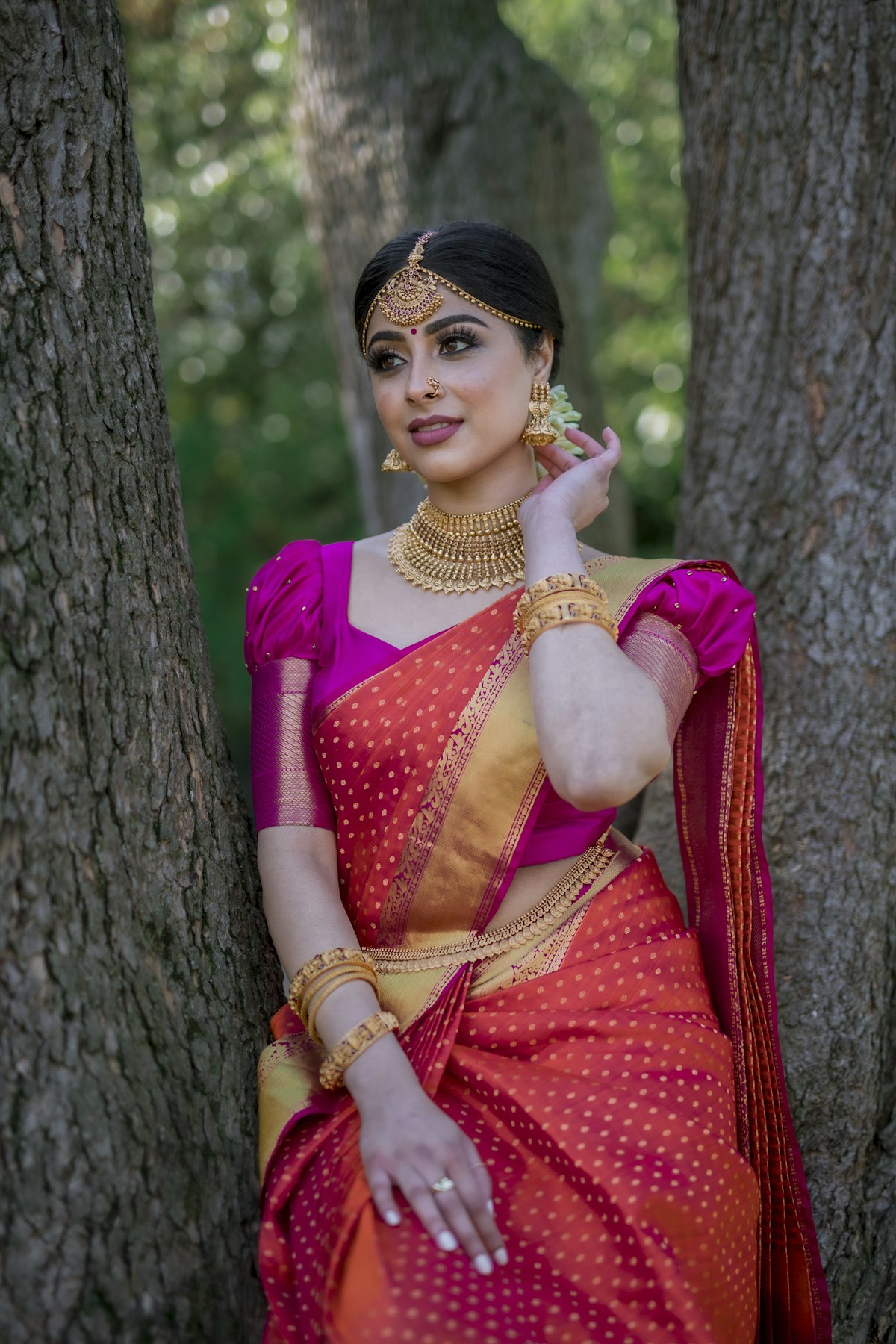
Clothing in India is a vibrant display of history, climate, and local geography. The saree, a versatile piece of unstitched cloth draped in dozens of regional styles, remains one of the world's most enduring garments. Men traditionally wear the Dhoti, Kurta, Lungi, or Mundu, depending on the region. India's textile heritage is extraordinarily rich, ranging from the delicate silk brocades of Banarasi and Kanjeevaram to the intricate tie-dye of Bandhani and the hand-woven cottons of Khadi. These fabrics reflect local agricultural resources and represent the skills of millions of handloom weavers.
Hospitality is a sacred duty in the Indian household. Guests are welcomed with warmth, offered refreshing drinks, and invited to share meals, regardless of their background or class. This ethos is reflected in daily rituals, from drawing rangoli patterns at the doorstep to invite positive energies, to lighting oil lamps (diyas) in the evening. Life is marked by numerous transitions (Samskaras), such as birth, education, marriage, and retirement, each celebrated with specific prayers, family gatherings, and community feasts, reinforcing social ties and spiritual values.
Daily life in Indian households is adorned with folk art that links the home to the cosmos. Every morning, millions of women sweep their doorsteps and draw Rangoli (or Kolam in the south) using rice flour or colored powder. These geometric designs are not just decorative; they are ancient symbols of welcome, designed to feed small birds and insects, showing a practical compassion for all living beings. This art is temporary, reminding the family of the impermanent nature of life, while welcoming positive energies and peace into the household daily.
An Indian wedding is not just the union of two individuals; it is a grand, multi-day merger of two families and communities. Filled with colors, music, and elaborate rituals that vary by region, weddings represent the ultimate celebration of social connection. From the Haldi (turmeric purification) and Mehendi (henna application) ceremonies to the Saptapadi (seven vows around the sacred fire), every step has a deep symbolic meaning. These celebrations bring together distant relatives and neighbors, reinforcing family obligations, mutual respect, and community solidarity.
Intricate mudras and expressions that translate ancient epics into physical movements.
Diverse textiles like Banarasi and Kanjeevaram silks draped in ancient, elegant styles.
Ragas and Talas that evoke emotional states and align with nature's daily cycles.
Practices like Charan Sparsh (touching feet) and Rangoli that ground daily life in respect.
Explore the stories, history, and cultural roots of Family And Hospitality in India.
Explore the stories, history, and cultural roots of Clothing And Traditions in India.
Explore the stories, history, and cultural roots of Art And Craft in India.
Explore the stories, history, and cultural roots of Music And Dance in India.
Explore the stories, history, and cultural roots of Regional Culture in India.
Explore the stories, history, and cultural roots of Indian Weddings in India.
Explore the stories, history, and cultural roots of Indian Values in India.
An artistic documentary displaying the classical dance forms, traditional music, and vibrant clothing styles of India's distinct regions. (Source: Doordarshan Cultural Archives)
India is not only something to read about. It is something people feel through conversations, memories, languages, festivals, food, cities, and friendships. IndiaDostiChat is built for those conversations — where people can meet, talk, share, and feel connected.
Join IndiaDostiChatIn India, a festival is not just a holiday. It is an explosion of collective energy.