India Stories

Indian cuisine is celebrated globally for its complex flavors, vibrant colors, and sophisticated use of spices. More than just sustenance, food in India is a deep cultural ritual, a symbol of hospitality, and a medium through which families express love and communities celebrate their heritage.
The foundation of Indian food lies in the art of blending spices. Spices like turmeric, cumin, mustard seeds, coriander, cardamom, and cloves are not used just to add heat; they are selected for their medicinal value based on ancient Ayurvedic principles. The technique of tempering (tadka)—roasting spices in hot ghee or oil to release their essential oils—is the starting point of almost every dish, creating a complex layer of aromas that defines the sensory experience of Indian kitchens.
North Indian cuisine, influenced by the geography of the fertile plains and historical Persian trade routes, is centered around wheat-based flatbreads (Roti, Naan, Paratha) and rich, creamy gravies. Signature dishes like Dal Makhani, Paneer Butter Masala, and regional meat preparations like Rogan Josh are slow-cooked with tomatoes, onions, cream, and ground spices. Tandoori cooking, where marinated meats and breads are baked in a hot clay oven (tandoor), is a hallmark of this northern culinary tradition.
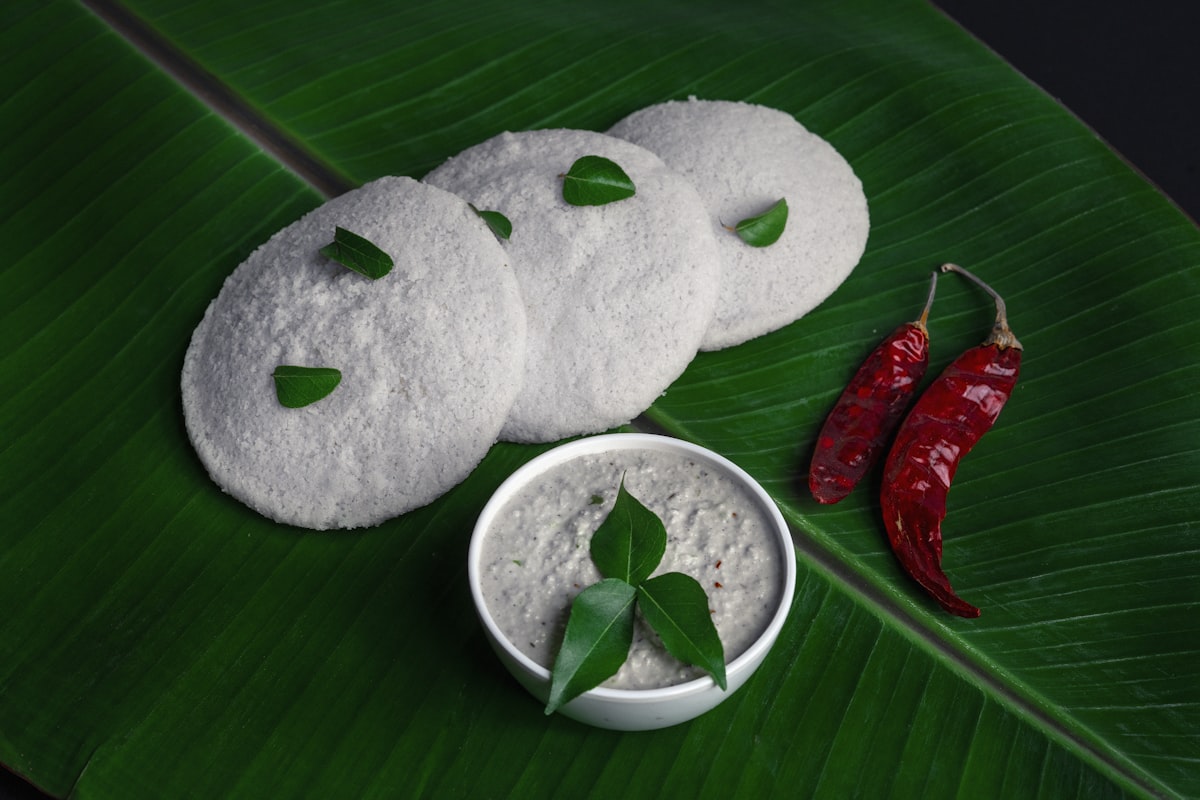
In contrast, South Indian cuisine is shaped by tropical coastlines, coconut groves, and a reliance on rice. The hallmark of southern food is fermentation, visible in breakfast classics like Idli (steamed rice cakes) and Dosa (thin, crispy crepes) served with Sambar (lentil soup) and coconut chutney. Rice is eaten with spicy, tamarind-based gravies like Rasam, and coconut oil and curry leaves are the primary flavoring agents, creating a lighter, tangy, and highly refreshing culinary profile.
India is home to the world's largest vegetarian population, and vegetarian cooking has reached a level of high sophistication here. Guided by the spiritual philosophy of Ahimsa (non-violence) found in Hinduism, Buddhism, and Jainism, traditional vegetarian cooking avoids meat and fish. Some follow a Satvik diet, which also excludes onions and garlic to promote mental clarity and calm. Vegetables, lentils (dals), and paneer are cooked in thousands of regional styles, proving that vegetarian food can be incredibly diverse, nutritious, and flavorful.
Street food in India is a culinary equalizer, where people of all social classes stand side-by-side to enjoy fast, affordable, and intense flavors. From the crispy, potato-stuffed Pani Puri (or Golgappa) filled with spiced tamarind water, to the savory potato burgers (Vada Pav) of Mumbai and the steamed dumplings (Momos) of the Northeast, street food represents regional tastes in their most authentic form. It is the food of quick breaks, evening strolls, and shared local gossip.
More than a beverage, Chai (steamed milk tea brewed with cardamom, ginger, and sugar) is a national institution in India. Roadside tea vendors (Chaiwalas) are found on every corner, serving tea in small clay cups (kulhads). Chai is the ultimate social lubricant; it is offered immediately to guests, drank during office breaks, and serves as the backdrop for endless political debates, casual chats, and the beginning of new friendships, representing the warm hospitality of daily Indian life.
In the Indian household, preparing and sharing meals is an act of love. Mothers spend hours cooking fresh meals daily, and families gather together for dinner to share stories of the day. Refusing a second helping of food at an Indian home is often jokingly seen as a rejection of affection. During festivals and weddings, the scale of food preparation multiplies, where neighbors join in to cook massive quantities of sweets and savory dishes, turning cooking into a collective, joyful celebration of community life.
Cumin, turmeric, and cardamom blended for digestion, immunity, and complex aroma.
Idli and Dosa made from fermented rice and lentil batters, rich in natural probiotics.
Ancient northern ovens baking flatbreads and roasted meats at high charcoal heat.
Crispy semolina shells filled with spiced potatoes and tangy, refreshing herb water.
The hearty warmth of wheat flatbreads, slow-cooked lentils, and clay-oven tandoors.
The light, fermented grace of steamed idlis, crispy dosas, and fresh coconut chutneys.
A democratic open-air feast balancing sweet, sour, salty, and spicy in a single quick bite.
Mithai as a sacred blessing, a gesture of congratulations, and a taste of home.
The ancient chemistry of turmeric, cumin, and cardamom that heals the body and flavors the pot.
Roadside stalls, steaming kettles, and the simple cups of tea that bring a nation together.
The sophisticated art of cooking lentils, grains, and vegetables without compromising on flavor.
An educational overview of how geographical trade, ancient Ayurveda, and regional agriculture shaped the diverse vegetarian and non-vegetarian food cultures of India. (Source: Discovery India Food Specials)
India is not only something to read about. It is something people feel through conversations, memories, languages, festivals, food, cities, and friendships. IndiaDostiChat is built for those conversations — where people can meet, talk, share, and feel connected.
Join IndiaDostiChatIndia's cities do not sleep. They vibrate with ambition and memory.