India Stories

The history of India is not a single linear path, but a confluence of dynasties, migrations, philosophical revolutions, and struggles that have repeatedly reshaped the global landscape. From the ancient cities of Harappa to the modern republic, India's journey is a testament to human resilience and continuity.
Millennia ago, along the fertile basins of the Indus River, one of the ancient world's most advanced urban societies flourished. The Indus Valley Civilization (Harappa and Mohenjo-daro) was characterized by meticulous town planning, baked brick houses, sophisticated drainage systems, and thriving trade routes that reached Mesopotamia. This early society laid the foundation for urban planning and craftsmanship in the subcontinent, representing a legacy of peaceful commerce and engineering. Excavations have revealed advanced weights and measures, detailed stone carvings, and the famous dancing girl bronze sculpture, representing a highly developed artistic culture.
Following the Indus Valley era, the Vedic Period saw the composition of the Vedas, Upanishads, and the epic narratives of the Ramayana and Mahabharata. This was a time of pastoral lifestyles, social organization, and deep philosophical speculation. It marked the birth of India's core metaphysical ideas—concerning the self (Atman), the absolute (Brahman), and the paths of right action (Dharma). These sacred texts laid the foundations for Hinduism and Sanskrit literature, establishing a tradition of debate, introspection, and oral preservation that lasted for centuries.
As regional kingdoms consolidated, the subcontinent witnessed the rise of vast empires. The Maurya Empire, particularly under Emperor Ashoka in the 3rd century BCE, unified much of India and championed the spread of Buddhism, carving edicts of peace, moral duty, and animal welfare on massive stone pillars. Centuries later, the Gupta Empire ushered in a Golden Age of science, mathematics, and art. During this era, scholars like Aryabhata calculated the solar year and introduced the concept of zero, while writers like Kalidasa composed classic dramas that remain celebrated masterpieces.
The medieval history of India is marked by regional kingdoms, the expansion of maritime trade, and the arrival of Islamic dynasties, culminating in the Mughal Empire. The Mughals unified regional administrations, patronized literature, and constructed architectural wonders like the Taj Mahal. This era was characterized by a profound cultural synthesis. The Bhakti and Sufi movements swept across the nation, preaching direct, emotional devotion to the divine, emphasizing the equality of all human beings, and creating a rich musical and poetic heritage that bridged religious divides.
From the 17th century, European trading enterprises, particularly the British East India Company, gradually established economic and military control over India. By the mid-19th century, this transitioned into direct rule under the British Crown. Colonial exploitation dismantled traditional industries and reorganized local economies, leading to widespread resistance. The Indian Independence Movement, driven by early reformers, armed revolutionaries, and mass non-violent protests led by Mahatma Gandhi, eventually forced the British to withdraw in 1947, giving birth to a free, democratic republic.
Long before European universities were established, India was home to world-renowned centers of higher education. Nalanda, Takshashila (Taxila), and Vikramashila attracted thousands of students and scholars from across China, Tibet, Korea, Persia, and Greece. Nalanda University, which flourished in Bihar from the 5th century CE, housed a massive library of millions of manuscripts covering philosophy, astronomy, medicine, logic, and mathematics. These institutions represented an early global hub of intellectual exchange, where scholars debated the nature of existence, grammar, and physical sciences in a spirit of free inquiry.
While major empires dominated northern India, southern dynasties like the Cholas, Cheras, Pandyas, and Chalukyas built powerful maritime kingdoms. The Chola Empire, in particular, established a dominant naval fleet that controlled trade routes across the Bay of Bengal, influencing the culture, religion, and architecture of Southeast Asian nations like Indonesia, Cambodia, and Malaysia. The magnificent stone temples of Tanjore and the bronze statues of Nataraja (the dancing Shiva) are lasting monuments of this southern golden age, representing a unique legacy of naval engineering, artistic skill, and international diplomacy.
With independence in 1947, India faced the monumental task of rebuilding a nation fragmented by partition and colonial exploitation. Under the leadership of figures like Jawaharlal Nehru and Sardar Vallabhbhai Patel, and guided by a progressive constitution drafted under Dr. B.R. Ambedkar, India integrated over 500 princely states into a unified democratic republic. Over the decades, the nation established democratic institutions, built space and research programs, executed agricultural revolutions to secure food independence, and transitioned into a global economic power, proving the resilience of the world's largest democracy.
One of the world's oldest urban civilizations, famous for its town planning and peaceful trade.
The Gupta Empire, characterized by massive achievements in mathematics, astronomy, and classic literature.
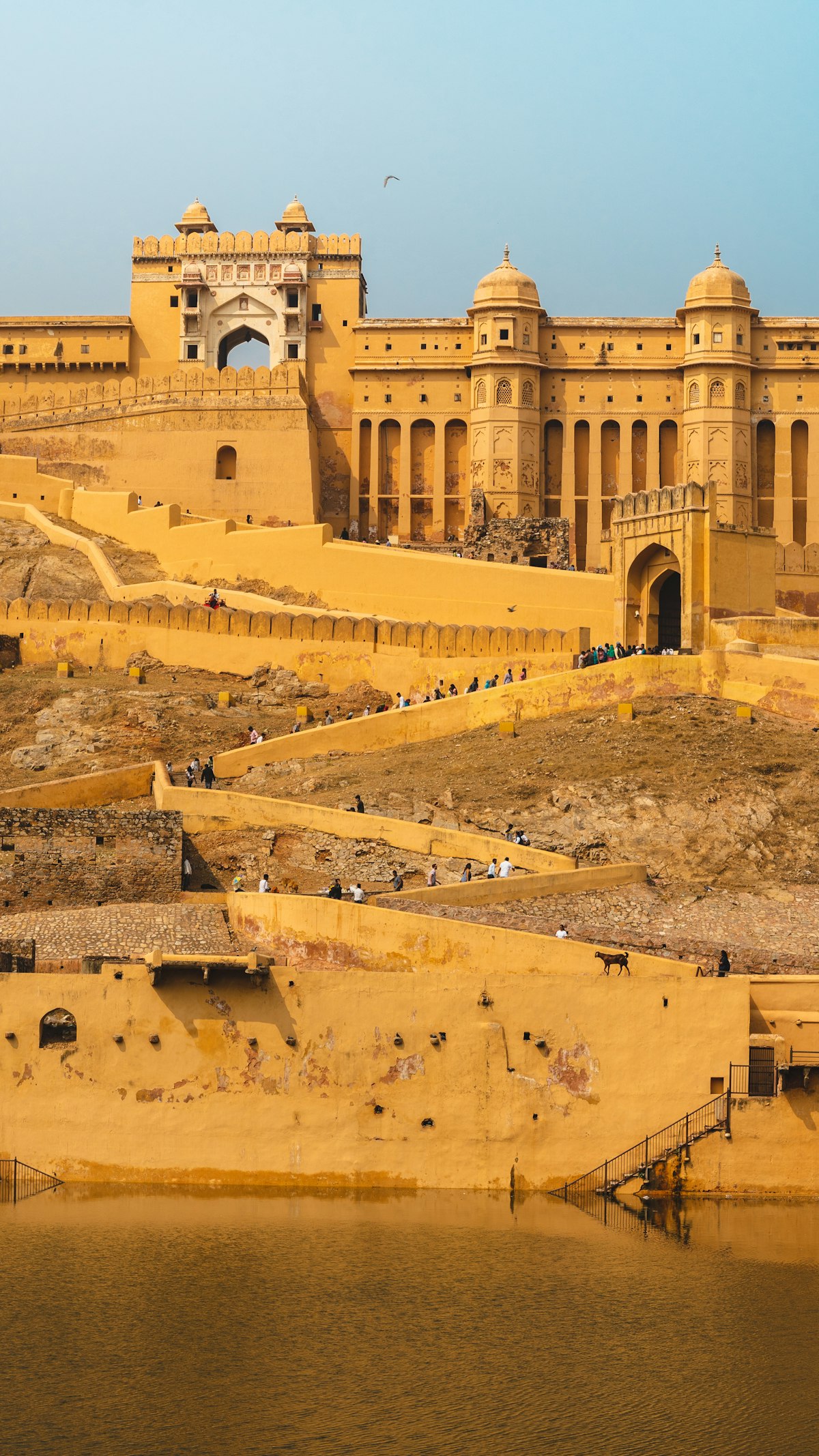
An era of architectural grandeur, administrative unification, and synthesis of cultural styles.
The birth of free modern India, establishing the world's largest democratic constitution.
Explore the stories, history, and cultural roots of Ancient India in India.
Explore the stories, history, and cultural roots of Indus Valley Civilization in India.
Explore the stories, history, and cultural roots of Vedic Period in India.
Explore the stories, history, and cultural roots of Maurya Empire in India.
Explore the stories, history, and cultural roots of Gupta Period in India.
Explore the stories, history, and cultural roots of Medieval India in India.
Explore the stories, history, and cultural roots of Mughal India in India.
Explore the stories, history, and cultural roots of Colonial India in India.
The heroic struggle of a divided nation uniting through non-violence and sacrifice to win freedom.
Explore the stories, history, and cultural roots of Modern India After 1947 in India.
An educational documentary covering the excavation, architecture, writing, and trade systems of India's earliest known urban civilization. (Source: National Geographic India / Archeological Survey of India)
India is not only something to read about. It is something people feel through conversations, memories, languages, festivals, food, cities, and friendships. IndiaDostiChat is built for those conversations — where people can meet, talk, share, and feel connected.
Join IndiaDostiChatCulture in India is not a static showcase. It is a living, breathing set of daily choices.